Our Services
Harnessing Community Services for Cultural Competence, Inclusion, and Diversity
This initiative aims to bridge the gap between marginalised groups and mainstream services by fostering cultural competence, promoting diversity and equality, and empowering community members through targeted programs and support systems.
Key components of the initiative include:
-
1. Cross-Cultural Training and Empowerment
- Capacity-building workshops tailored to women, youth, and community groups
- Training sessions to promote understanding and appreciation of diverse cultural backgrounds
- Empowerment initiatives to build leadership skills and self-efficacy

-
2. Advocacy Services
- Personalised support for young people, women, and men within ethnic communities
- Assistance in navigating legal, educational, and employment systems
- Mediation services to ensure equitable representation and fair outcomes

-
3. Women Empowerment and Support Group Formation
- Guidance on forming structured support groups for women
- Leadership development for group coordinators
- Community-building activities to strengthen group identity and cohesion

-
4. Signposting to Mainstream Services
- Referrals to healthcare, education, housing, and employment services
- Guidance on accessing government and non-profit resources
- Navigational support to reduce barriers to essential services

-
5. Liaising with Professionals to Facilitate Inclusion
- Collaborations with local councils, service providers, and businesses
- Professional training sessions to improve service delivery for diverse communities
- Advocacy for inclusive policies and practices

Mama N me: Nurturing Roots
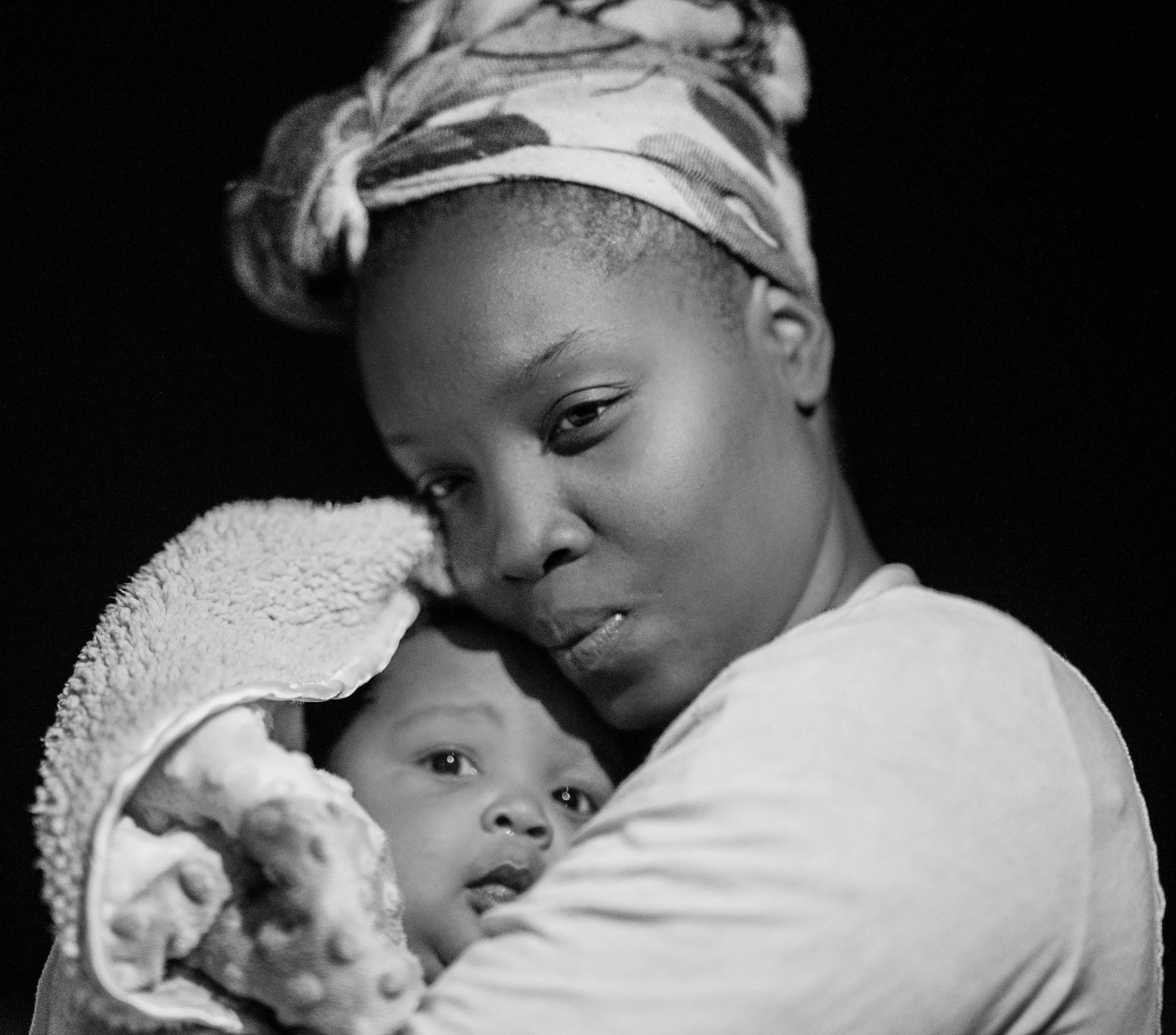
A culturally responsive mother-and-baby play and parenting programme for expectant mothers, new mothers and families with children aged 0–5. The aim of our Mama N Me: Nurturing Roots initiative is to help new parents in the following areas:
Improve maternal wellbeing and emotional resilience.
Increase parenting confidence and knowledge.
Strengthen parent-child attachment and bonding.
Promote early communication, language and play-based learning.
Reduce social isolation and increase peer support networks.
Improve access to local services and early intervention support.